Coral VR
Back in 2020, I created an immersive interactive VR experience that allowed users to interact with corals to learn about them. Even after 6 years, this remain one of my most passionate projects.
Corals are dying but we don't see it.
What started as a data visualization project turned into an opportunity to explore a new medium to talk about something I care about.
I wanted to use real data – IUCN Red List of Threatened Species to anchor the experience on endangerment level and population trend so players could understand both how much a species needs help and how it is doing over time.
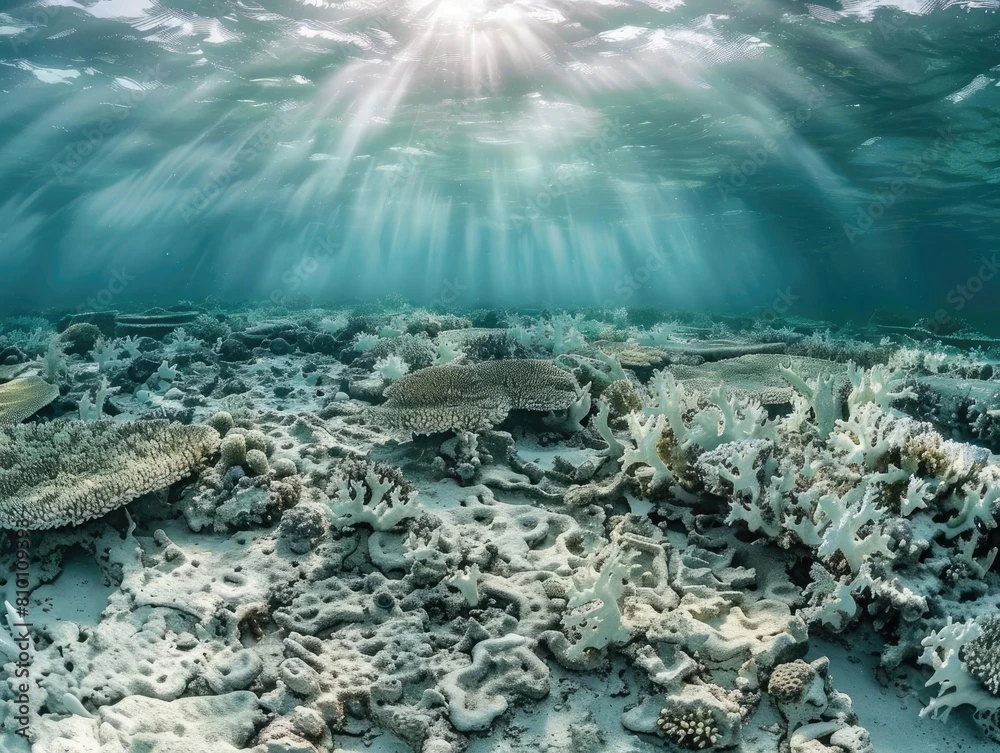
Solution
Create an immersive experience where users can interact with different coral species that are endangered and learn about them. VR can be a fun and engaging environment to learn.
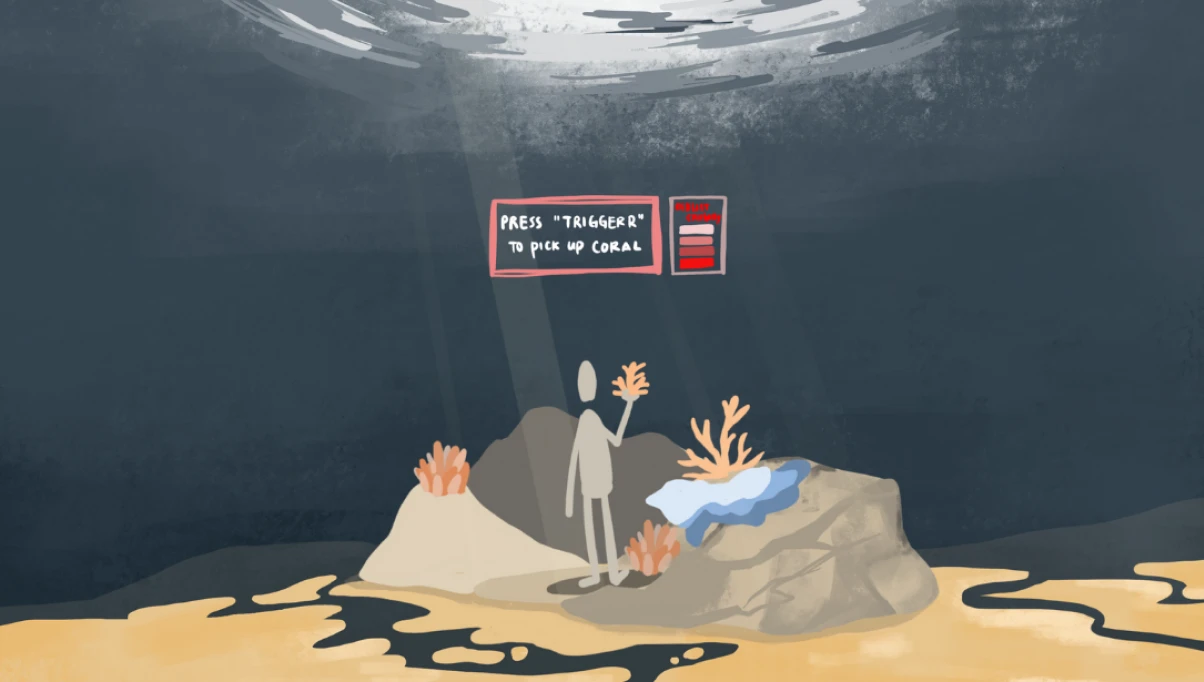
Challenges
Immersive UX is complicated
I had a lot of great ideas of how I could build the environment and interaction, and I felt like my instincts were always strong as a designer. But this was a truly humbling moment, as I quickly learnt a lot of my assumptions of how the user will feel based on the designed experience was very different.
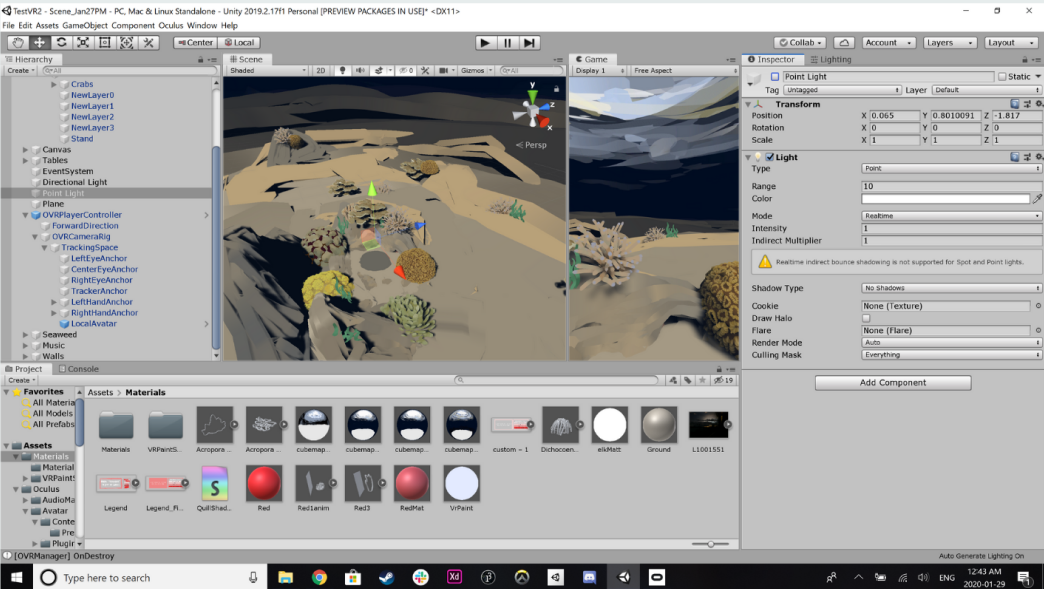
What I imagined vs. what people actually experienced
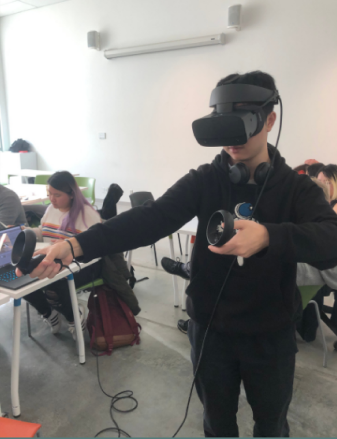
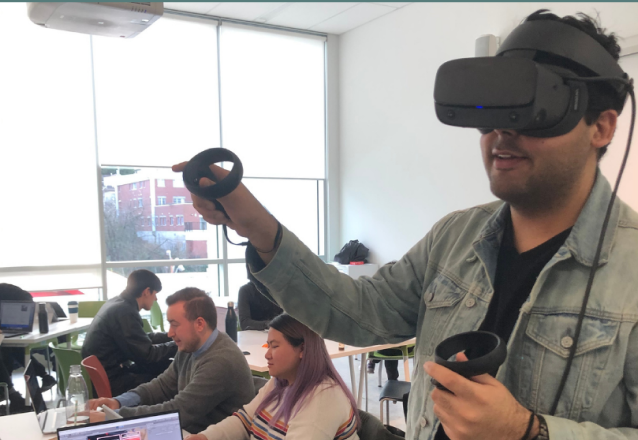
What I had in my head was vastly different from what people actually experienced inside the headset. Each test session surfaced new friction I couldn't have predicted without putting someone in the headset.
- — Instructions were difficult to understand verbally
- — Users were confused about the particles
- — Users didn't notice corals appearing and disappearing around them
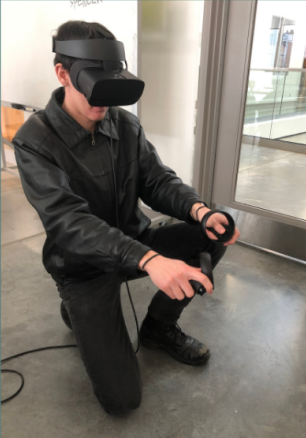
Learning
After testing with my final prototype, users were happy to see the updated changes after the first iteration and felt it was more immersive.
They also asked for more context — maps, threats, and reasons for endangerment from IUCN. This was definitely a win, as one of the goals of this project was to inspire people to be curious and learn.